Growing Raspberries
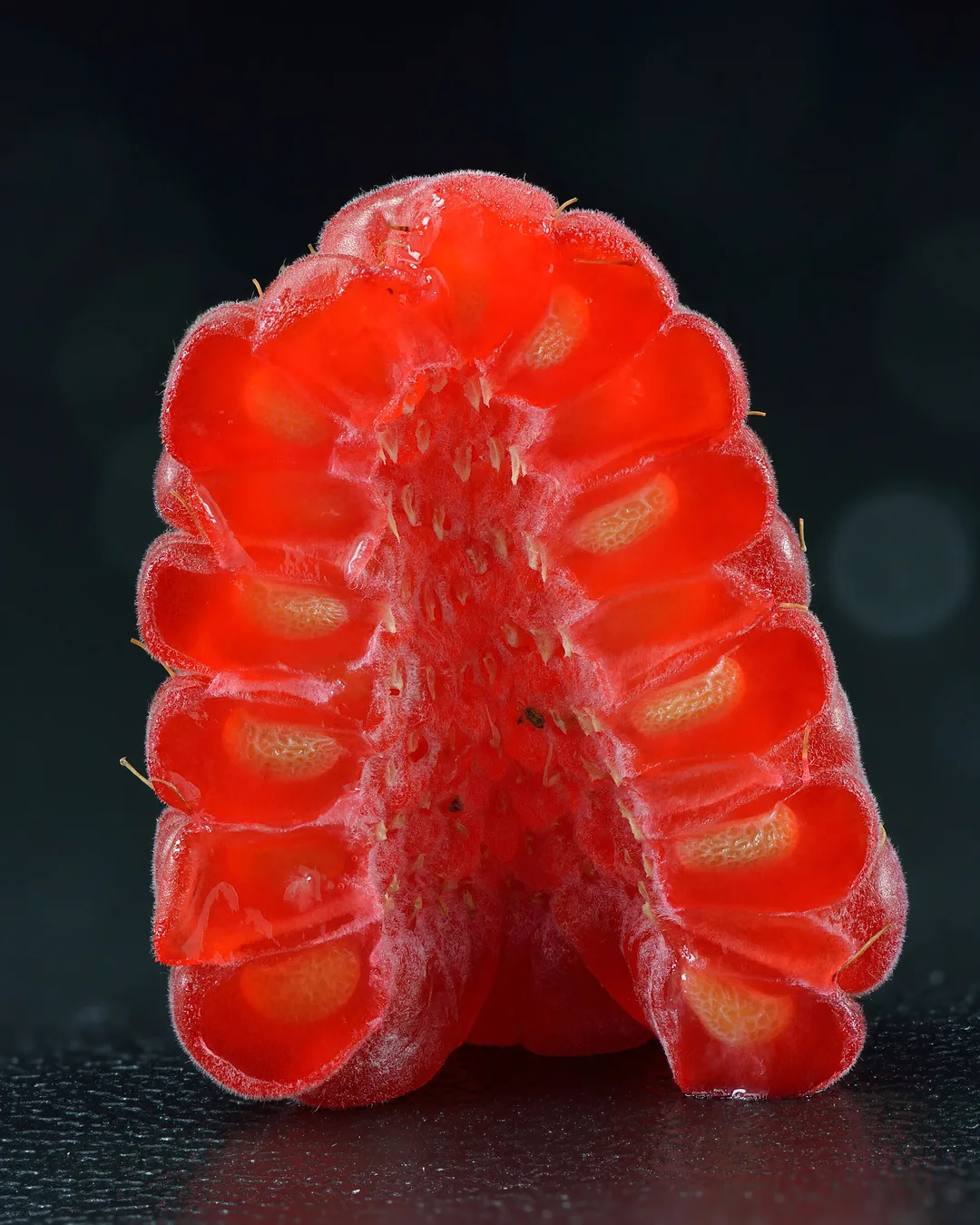
Photo details & credits
At a glance
- Plant type
- Perennial bramble with biennial canes
- Light
- Full sun for best fruit
- Soil
- Well-drained, fertile soil with steady moisture
- Support
- Trellis or wire system keeps rows harvestable
- Bearing age
- Often starts the year after planting
- Main work
- Prune by cane type, contain suckers, harvest often
- Common failure
- Letting the patch become a dense, diseased thicket
Raspberries are perennial plants with temporary canes. That one fact explains most of their care.
The roots and crown live for years, but individual canes are short-lived. Some canes are growing this year, some are fruiting this year, and some are finished and should be removed. A productive raspberry patch depends on knowing which is which.
Follow the cane, then choose the cut
For red and yellow raspberries, compare the three systems below. Each step shows which cane generation fruits and which remains for the next crop.
Site and planting
Choose full sun, good drainage, and a place where the row can be contained. Raspberries spread by suckers and will move into paths and neighboring beds if ignored.
Avoid planting raspberries where tomatoes, peppers, potatoes, eggplants, or other disease-prone crops recently grew if verticillium wilt is a concern. Start with disease-free nursery stock.
Plant in early spring when the soil can be worked, or use potted plants after frost risk has passed. Space plants so you can keep a narrow row, not an expanding patch.
Trellising
A raspberry trellis does not have to be fancy. Its job is to keep canes upright, separate enough for airflow, and reachable for harvest.
Simple options include:
- posts with two horizontal wires;
- a wire corridor that canes grow through;
- a T-trellis or V-trellis for wider plantings;
- individual stakes for small patches.
Install support before the planting becomes chaotic.
Pruning by type
| Raspberry type | When it fruits | Pruning pattern |
|---|---|---|
| Summer-bearing red/yellow | Second-year canes in summer | After harvest, remove fruited canes; keep strong new canes |
| Fall-bearing red/yellow | Current-year cane tips in late summer or fall | For one fall crop, cut all canes to ground in late winter |
| Black/purple raspberries | Floricanes, often with tipped laterals | Tip and thin canes; remove spent floricanes after harvest |
Do not hedge everything at the same height without knowing the type. That can remove next year's crop.
Water, mulch, and fertility
Raspberries need steady moisture during flowering and fruit fill. Mulch helps suppress weeds and keep the root zone even, but avoid burying canes.
Use compost or balanced fertility modestly. Excess nitrogen can push lush growth that shades the row and increases disease pressure.
Harvest
Pick when berries are fully colored and release easily. If you have to tug, the berry is not ready. During peak season, harvest every day or two.
Raspberries are fragile. Pick into shallow containers and cool them quickly. A berry that is perfect on the cane can collapse if it sits warm in a deep bucket.
Problems to watch
| Problem | Pattern | Response |
|---|---|---|
| Cane blights | Dead or spotted canes | Thin for airflow; remove diseased canes |
| Japanese beetles | Skeletonized leaves, feeding on fruit | Hand-pick, monitor, protect harvest |
| Spider mites | Stippled leaves in hot dry weather | Reduce plant stress; avoid dusty, droughty conditions |
| Birds | Missing ripe berries | Net small plantings before ripening |
| Winter animal damage | Chewed canes | Fence or protect rows in winter |
Field notes
Record variety, whether it is summer-bearing or fall-bearing, pruning method, first harvest date, peak harvest week, cane disease, beetle timing, and how far the patch spread. Raspberry management improves quickly when the pruning system is written down.